In a world where efficiency and speed in logistics processes are crucial for business success, the sorting system has become an essential tool. This system, also known as a sorting system or product classification system, enables the automation and optimization of product distribution across multiple industries. In this article, we will explore in detail what it is, what it’s used for, how it works, its applications, and advantages.
What is a sorting system?
A sorting system is a technological solution designed to automatically classify and distribute products or goods. It relies on the detection, recognition, and organization of items according to predefined criteria such as size, shape, weight, or final destination. Product sorting systems are composed of various mechanical and electronic components that work together to improve the performance and precision of sorting processes.What is a sorter used for?
The main goal of a sorter system is to speed up the sorting and preparation of orders within a distribution center or warehouse. This efficiency results in a significant reduction in processing time and an increase in item handling capacity. By using a sorting system, companies can ensure faster product delivery and a better customer service experience.How does a sorter work?
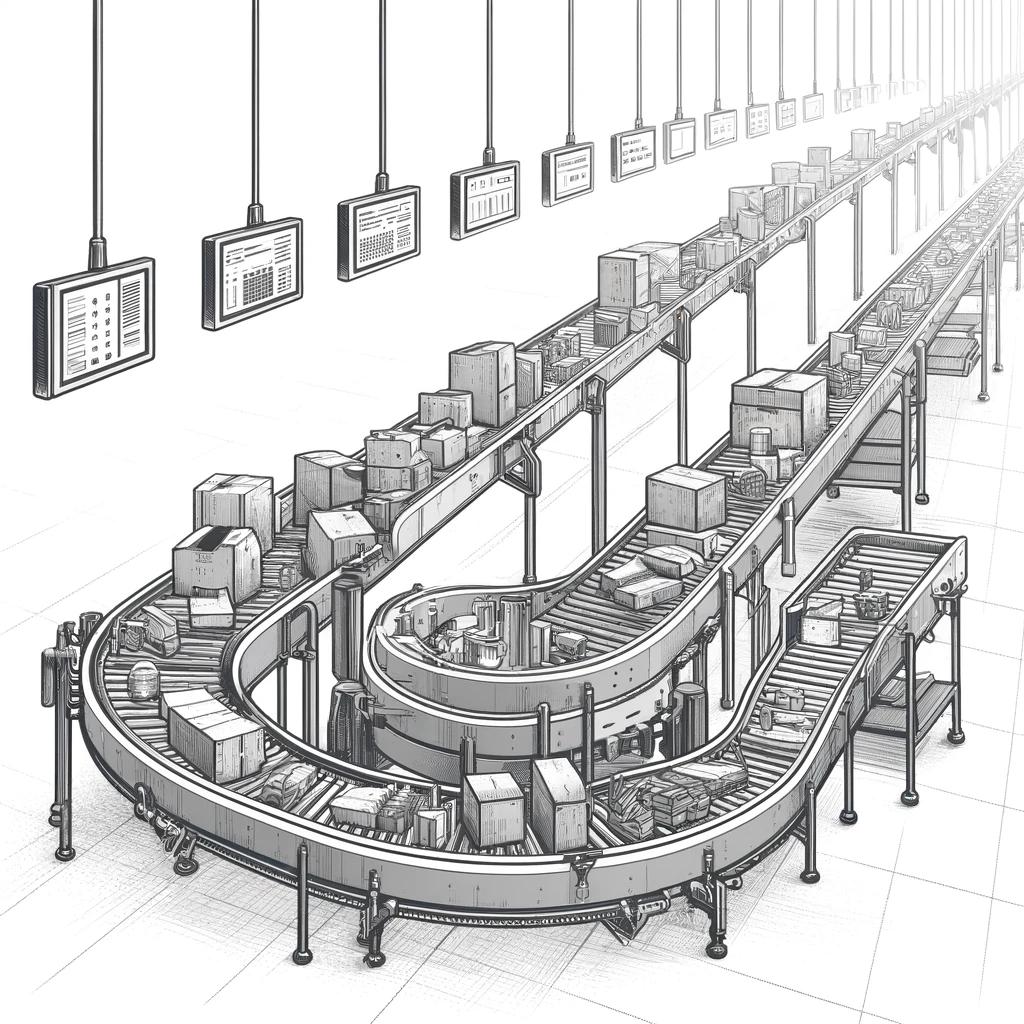
A sorter operates through a set of technologies including sensors, scanners, and conveyor belts, among others. When a product enters the system, it is scanned to determine its characteristics and destination. The sorter then guides it through belts or rails to the appropriate location. Advanced product sorting systems even use artificial intelligence to enhance sorting efficiency and accuracy.Technologies used in sorting systems
Sorting systems, or product classification systems, rely on a range of cutting-edge technologies to perform tasks effectively and accurately. Integrating these technologies allows sorting systems to meet the speed and accuracy demands of today’s work environments. The most notable technologies include:- Sensors and Detectors: Used to identify the physical characteristics of products such as size, weight, and shape.
- Barcodes and RFID: Enable quick tracking and identification of products during the classification process.
- Machine Vision Systems: Provide recognition and visual inspection of items, even at high speeds.
- Warehouse Management Software (WMS): Integrates with warehouse information systems for better inventory control and management.
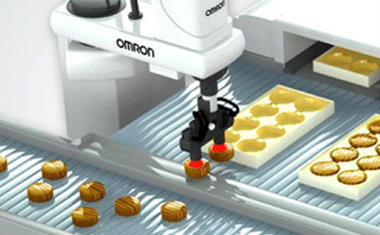
- Robotics and Mechatronics: Robotic arms and advanced mechatronic systems enable precise product handling and sorting.
- Artificial Intelligence (AI) and Machine Learning: Help optimize workflows by learning and adapting to sorting patterns for continuous efficiency improvement.
- Conveyor Belts and Sorters: Designed to move products through the sorting system smoothly and in an organized manner.
- Control Systems and Monitoring Software: Provide real-time supervision of the sorting process and allow adjustments when needed.