


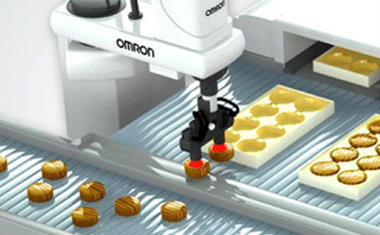
Conveyor belts are an essential component in a wide range of industries and industrial processes. These automated transport systems offer exceptional efficiency by continuously and reliably moving materials and products from one place to another. Their versatility and adaptability to various applications make them a key solution for optimizing production and improving workplace safety in a broad array of industrial environments. In this article, we will explore conveyor belts in depth, including their types, applications, advantages, and disadvantages.
What Is a Conveyor Belt?
Conveyor belts, also known as belt conveyors, are industrial transport systems widely used across many industries. These ingenious machines consist of a continuous surface—whether in the form of a belt, roller, or module—that moves to efficiently transport objects or materials from one point to another. In this article, we will thoroughly explore what conveyor belts are, the different types available, their applications, advantages, and disadvantages.
Types of Conveyor Belts
There are several types of conveyor belts, each designed to meet specific needs in different industries. Some of the most common types include:
- Belt Conveyor Systems
- Modular Conveyor Belts
- Roller Conveyor Belts
- Baling Conveyor Belts
- Pass and Reject Conveyor Belts
- Curved Conveyor Belts
- High-Temperature Conveyor Belts
- Wire Mesh Conveyor Belts
Belt Conveyor Systems
Belt conveyors are the most traditional and widely used type. They consist of a continuous belt that moves around two pulleys, allowing the transport of various products—from bulk materials to smaller and delicate items. These belts can be made of rubber, fabric, or plastic, often featuring a textured surface to prevent product slippage.
Modular Conveyor Belts
Modular conveyor belts are made of individual modules that connect to form a continuous conveying surface. These modules can be plastic, stainless steel, or other durable materials. Their main advantage is high customization and easy replacement of damaged modules, making them ideal for applications requiring specific configurations and frequent design changes.
Roller Conveyor Belts
Roller conveyors use cylindrical rollers to transport materials. These rollers may be motorized or gravity-driven. They are ideal for moving objects with irregular surfaces such as boxes, barrels, or packages and are known for efficiently handling heavy products.
Baling Conveyor Belts
Baling conveyors are specifically designed to transport bales of products such as paper, cardboard, hay, or textiles. Their structure is built to support the shape and weight of bales, preventing damage during transportation. They are essential in recycling facilities and the paper industry.
Pass and Reject Conveyor Belts
Pass and reject conveyors are used in sorting and packaging systems where selected products need to be separated from others. These belts feature diversion or rejection mechanisms to direct specific products to different destinations. They are crucial in the food industry for defect detection and automated assembly processes.
Curved Conveyor Belts
Curved conveyors are designed to move materials in non-linear directions. They are ideal for installations requiring products to be transported around corners or in spiral configurations. These belts are particularly useful in packaging and warehouse distribution applications.
High-Temperature Conveyor Belts
In high-temperature industrial environments like foundries or ceramics, high-temperature conveyor belts are used. These belts are made of heat- and abrasion-resistant materials to ensure optimal performance under extreme conditions.
Wire Mesh Conveyor Belts
Wire mesh conveyor belts are common in baking, drying, and cooling applications in the food industry. Made from stainless steel wire, they allow adequate airflow—essential for uniform drying and baking processes.
Applications and Uses of Conveyor Belts
Conveyor belts are a versatile and essential solution across a wide range of industries and applications thanks to their efficiency in transporting materials and products. Below are some of the most common conveyor belt applications:
- Logistics Industry: In warehouses and distribution centers, conveyor belts play a key role in efficiently managing and moving goods and packages. They facilitate truck loading and unloading, product movement along sorting lines, and automated package classification for shipping.
- Manufacturing: In production and assembly lines, conveyor belts enable a continuous flow of products and components, reducing handling time and increasing efficiency. They are used in the manufacturing of automobiles, electronics, furniture, and a wide range of consumer goods.
- Agriculture: In agriculture, conveyor belts handle crops such as grains, fruits, and vegetables. They help with loading/unloading, processing, and packaging, and are also used in irrigation systems and livestock feed distribution.
- Mining: In the mining industry, conveyor belts are essential for transporting minerals and bulk materials from extraction zones to processing or shipping points. These belts are often very long and built to handle heavy loads in harsh environments.
- Food Industry: Conveyor belts are used in food production to move ingredients, packaged goods, and finished products. Applications include bread production, dairy, meat, confectionery, beverages, and many other food items.
- Automotive: In the automotive industry, conveyor belts transport parts and components along assembly lines. This ensures an efficient production process and a faster, more precise supply chain.
Advantages and Disadvantages of Conveyor Belt Systems
Conveyor belts offer significant advantages in industry. First, their efficiency is undeniable as they automate transport, reduce labor costs, and boost productivity. This is particularly valuable in high-output environments requiring a continuous flow of materials. In addition, these belts are highly adaptable and versatile, capable of handling a wide variety of products—from small items to large loads—making them essential across many sectors.
Another key advantage is workplace safety. By minimizing manual handling of heavy or hazardous materials, conveyor belts reduce the risk of injury, ensuring a safer work environment. They also require less maintenance than other transport systems, lowering long-term costs and ensuring reliable industrial machinery operation.
However, it’s essential to consider some drawbacks. The initial cost of implementing a conveyor belt system can be significant, depending on the type and required capacity. Additionally, they require space for installation, which can be a challenge in constrained environments. Lastly, while highly efficient in most applications, conveyor belts have a maximum load capacity and may not be ideal for transporting extremely heavy or irregularly shaped items, which could require alternative transport solutions in some cases.

