Computer vision is a field of artificial intelligence that has experienced explosive growth in recent years. This technology, which is based on machines’ ability to interpret and understand the visual world, is transforming numerous industries and sectors. In this article, we will explore in detail what computer vision is, how it works, and the different systems used to implement it effectively.
What is Computer Vision?
Computer vision, also known as machine vision, is a discipline that aims to enable machines to “see” and understand the visual world in the same way humans do. This involves the use of algorithms and mathematical models to analyze images and videos, identify patterns, objects, and relevant features.How Does Computer Vision Work?
Computer vision is based on a series of key processes and stages. First, images or videos are captured using machine vision cameras. Then, the visual information is processed using image processing algorithms and techniques. Next, relevant features are extracted and decisions are made based on the interpretation of the visual information. This process may involve object detection, pattern recognition, or motion tracking, depending on the specific application.What Are the Different Types of Computer Vision Systems?
There are various computer vision systems, each designed to meet specific needs. Here are some of the most important:Stereo Vision
Stereo vision uses two cameras to capture images from different angles and calculate the distance and depth of objects in the field of view. It is widely used in navigation and robotics applications.3D Vision
3D vision allows for the creation of three-dimensional models of the environment from 2D images. It is used in industries such as medicine, manufacturing, and virtual reality.Thermal Vision
Thermal vision uses infrared cameras to capture the thermal radiation emitted by objects. It is applied in security, search and rescue, and industrial monitoring.Multispectral Vision
Multispectral vision uses cameras that capture images in multiple bands of the electromagnetic spectrum. It is useful in agriculture, disease detection, and environmental monitoring applications.Machine Vision
Machine vision refers to the general application of computer vision in which machines process images to perform specific tasks such as facial recognition, object detection, and motion tracking.Applications of Computer Vision
Computer vision has a wide range of applications across various industries. Some examples include:- Automotive Industry: In autonomous vehicles, computer vision is used for obstacle detection and traffic sign recognition.
- Medicine: In medical imaging diagnostics such as X-rays and MRIs, helping doctors detect diseases.
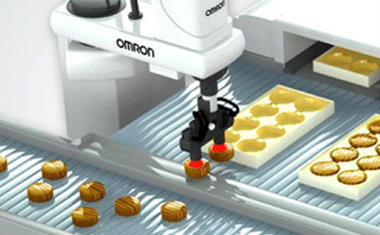
- Manufacturing: In quality inspection and process control, ensuring high-quality products.
- Security: In surveillance systems and facial recognition for identifying individuals.
- Agriculture: In crop monitoring and pest detection to improve agricultural efficiency.