Industrial automation has taken a major leap forward with the implementation of SCARA robots in various production lines. In this article, we explain what a SCARA robot is, its functionalities, how it works, its main components, and the advantages it offers compared to other types of industrial robots.
What is a SCARA robot?
A SCARA robot (Selective Compliance Assembly Robot Arm) is a type of industrial robot designed for assembly and material handling operations. Its structure features two horizontal axes that allow movement in a specific plane, providing high speed and precision. These robots are ideal for tasks that require high repeatability and are commonly used in the electronics and automotive industries.
What are they used for?
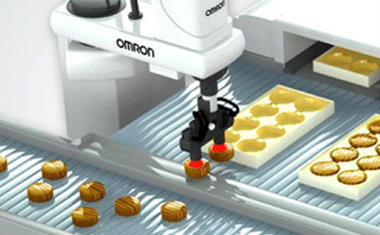
SCARA robots are primarily used for tasks such as assembly, material handling, packaging, and palletizing. Thanks to their compact and efficient design, they can perform fast and precise movements, making them perfect for production lines that require high speed and accuracy. These robots are also widely used in the semiconductor, pharmaceutical, and food industries.
How does a SCARA robot work?
A SCARA robot operates through a control system that coordinates the movements of its two main axes. These axes enable the robot to move horizontally and vertically, performing pick-and-place tasks with great precision. SCARA robots are equipped with servomotors and advanced controllers that ensure smooth and accurate movements, optimizing production processes and reducing cycle times.
Main parts and components
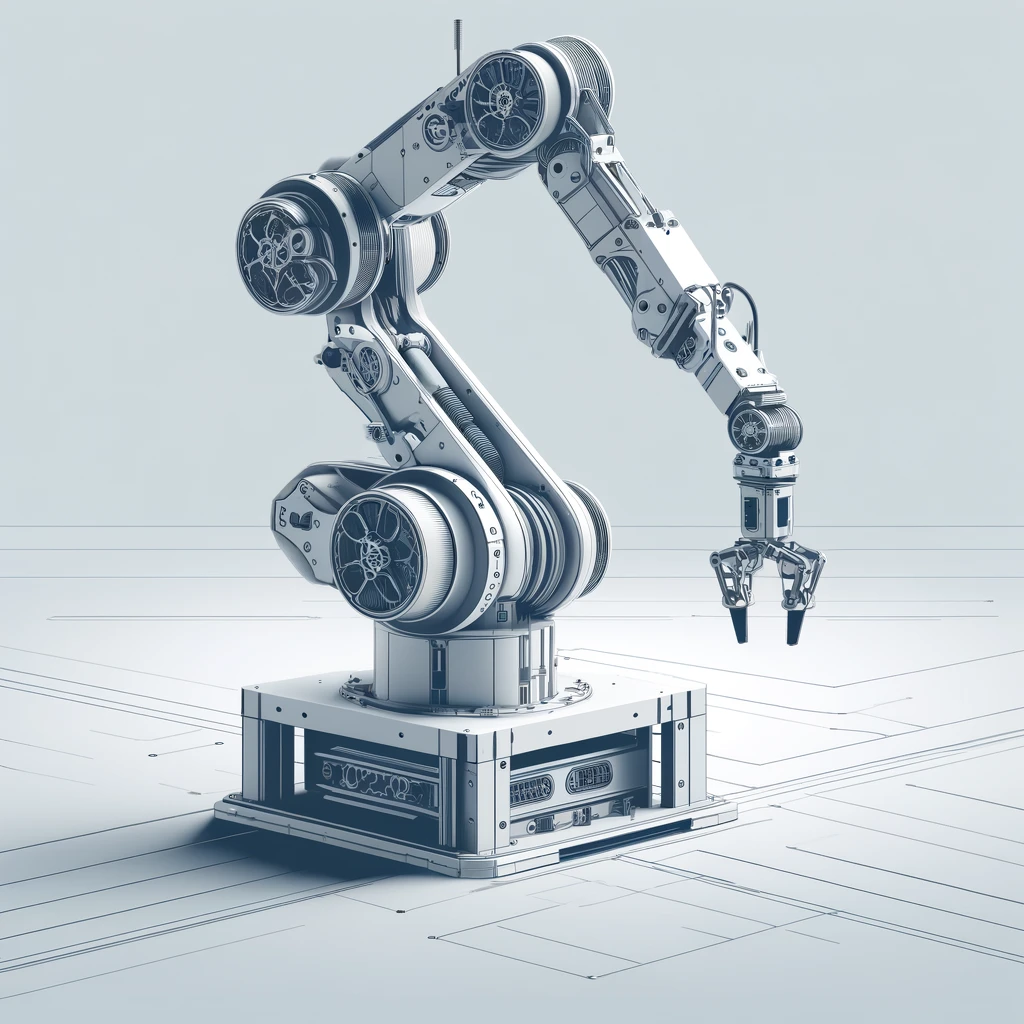
The main components of a SCARA robot include:
- Base: Anchors the robot to the floor or a work table, providing stability.
- Axes: Two main axes that allow movement in the horizontal plane.
- Servomotors: Motors that control the movement of the axes with high precision.
- Controller: Unit that manages and coordinates the robot’s movements.
- End-effector: Tool located at the end of the arm, designed to perform specific tasks such as gripping, assembling, or welding.
Advantages of the SCARA robot
SCARA robots offer several advantages over other industrial robots. These include:
- High speed: They are capable of performing fast and precise movements, which increases efficiency on production lines.
- Precision: They offer high repeatability, which is crucial for fine assembly tasks.
- Flexibility: Their compact design allows installation in limited spaces.
- Ease of programming: Advanced controllers make robot programming and operation easier.
- Versatility: They can be used in various industries, from electronics to food processing.
Typical applications of SCARA robots include assembling electronic components, handling pharmaceutical products, food packaging, and automating tasks in automotive production lines.